
Why your next event should have an online audience too
Most organisations have no idea whether their event actually worked.
They know how many people were in the room. They know if the catering ran out. They might have a rough feel for the energy on the day. But did the message land? Who was paying attention? Which parts held the room and which lost it? For most live events, those questions go unanswered.
A hybrid event answers all of them.
The number that changes everything
When you stream an event professionally, you get data that an in-person audience simply cannot give you. You can see exactly how many people watched, how long they stayed, where they dropped off and what they came back for. That information proves the event’s value to a board or a client – and tells you what to do differently next time.
Most event organisers are flying blind. A hybrid audience hands you a map.
Your content is already paid for
By the time your event runs, you’ve already spent the money. The speakers are booked, the content is written, the production is in place. Every person who watches online gets full value from work you’ve already done, at almost no extra cost per viewer.
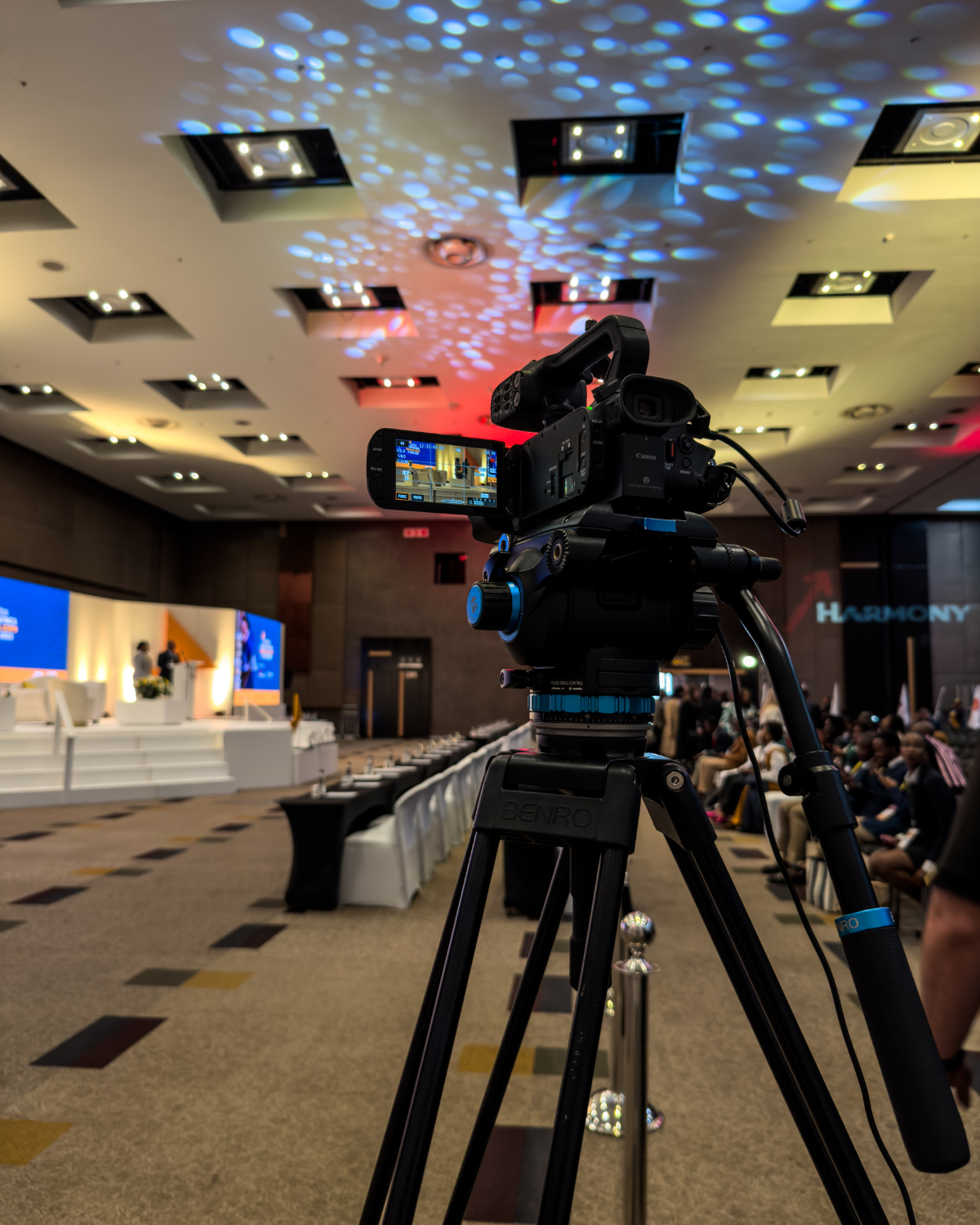
If 300 people attended in person and 700 watched online, where was your real audience? And which version of the event cost more per head?
The people who want to be there but can’t
There’s a client who would have attended but couldn’t justify the flight. A colleague in another city who had a diary clash. A customer who was genuinely interested but couldn’t take the day off. These aren’t peripheral people — they’re often exactly the audience you most want to reach.
A hybrid option doesn’t water down your event for the people in the room. It simply stops turning away everyone else.
Where most organisations get it wrong
The decision to stream gets made two weeks before the event. The camera becomes an afterthought. The online audience watches a static wide shot of a stage for four hours with no interaction, no way to ask questions and no reason to stay. Then everyone wonders why hybrid doesn’t work.
Bolting it on never works. Planning for both audiences from the start does — when the online experience is designed, not just broadcast.
What good hybrid actually looks like
A production team watches the live feed throughout, not just hits record. The audio is clear and well-mixed, because online viewers will forgive a lot but not bad sound. A few different camera angles make it feel like a broadcast rather than a security camera. And the online viewer’s experience gets the same attention as the person in the front row.
Good hybrid production removes friction for the remote audience. It gives them a reason to stay, a way to engage and a broadcast they’d actually recommend to someone else.
Done well, hybrid isn’t a compromise. It’s a smarter event.
Every moment matters and the right production makes sure more of the right people are there to share it.